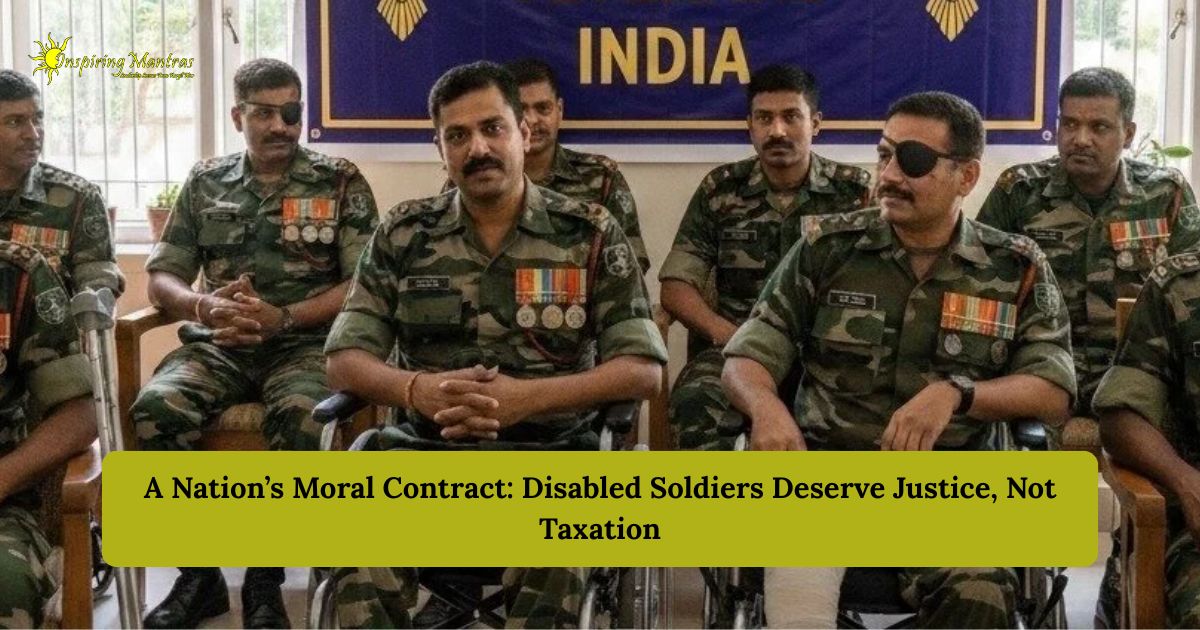
A Nation’s Moral Contract: Disabled Soldiers Deserve Justice, Not Taxation
A soldier does not negotiate with danger
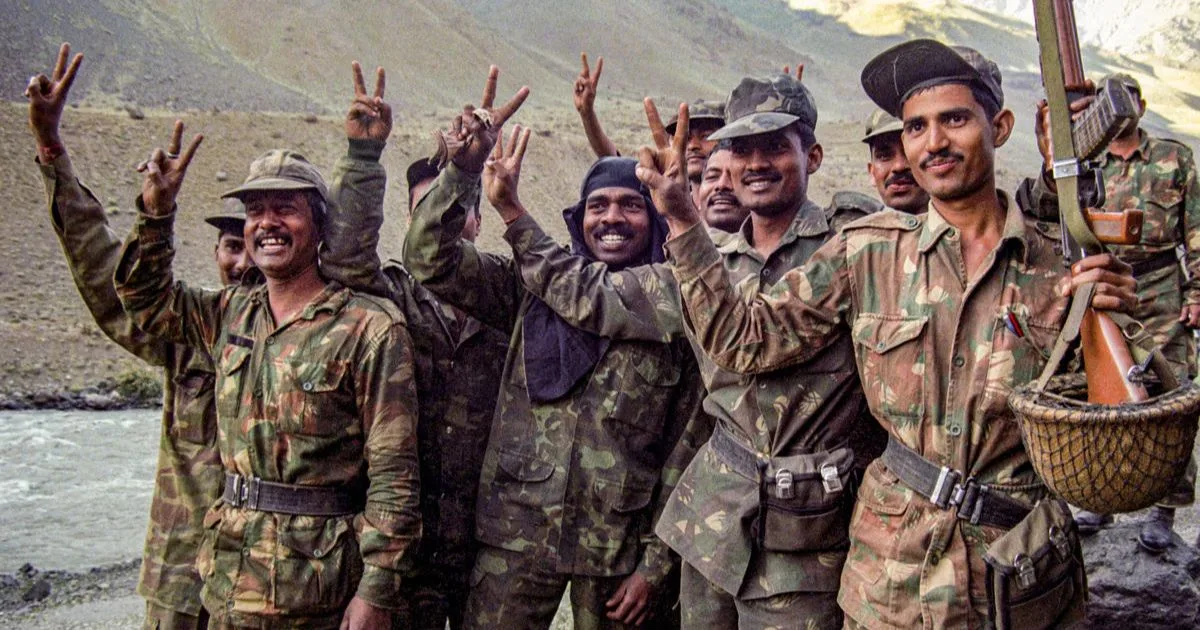
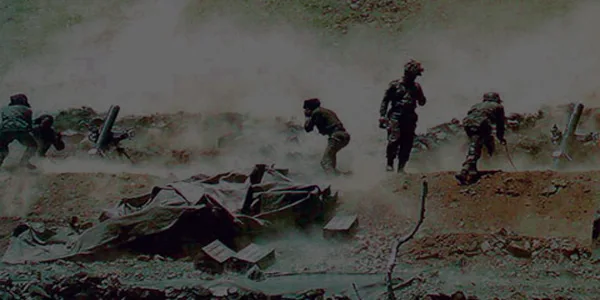
When ordered to advance, he advances. When told to hold ground, he holds even in the most fatal conditions, even in the shower of shelling or on the ground full of mines and uncertainty surrounds him. He does not pause to calculate the cost to his body. He trusts that the nation he defends will stand by him if that cost becomes permanent.
Imagine what will happen when that trust is shaken?
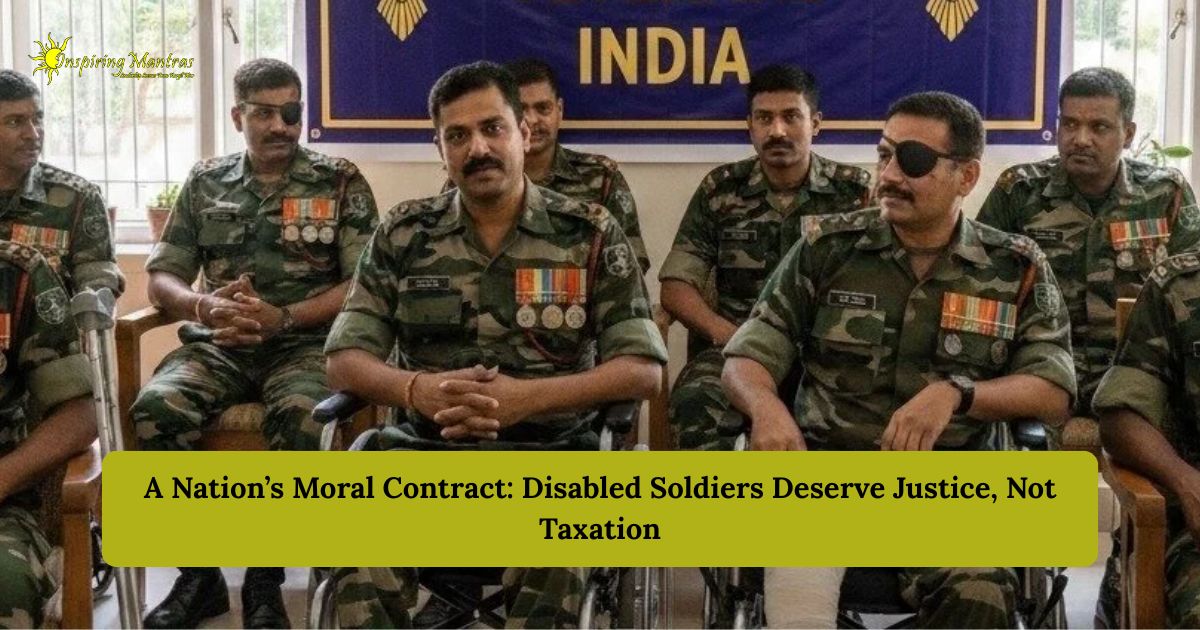
The recent removal of tax relief on war injury pension has deeply disturbed the armed forces community. war injury pension is not an income benefit in the conventional sense. It is compensation for irreversible physical loss sustained in the line of duty. It is recognition that a soldier’s disability was not an accident of fate, but a consequence of obedience to national command.
I am writing for my brothers in uniform - for their dignity, honour, and prestige. They have sacrificed their limbs for our safety; now it is our turn to stand up for their rights. I have witnessed war closely and have seen the life of a disabled soldier. I understand the silent pain when one of the fittest individuals becomes dependent on family members even for daily routines.
Please do not dishonour their sacrifice through taxation. There are many other ways to generate revenue for the nation, but do not shake the trust of a soldier who risked everything in obedience to duty.
Taxing war injury pension sends a wrong and worrying message
It blurs the line between earned income and compensation for sacrifice. It equates battlefield injury with ordinary financial gain. And in doing so, it risks diminishing the moral distinction between civilian employment and military service, a distinction that is fundamental to national Défense policy.
Globally, nations that prioritize security ensure strong post-service protections for wounded veterans. Not merely as welfare, but as strategic assurance. When young men and women consider joining the Armed Forces, they do so knowing the risks. What reassures families is the nation’s visible commitment to lifelong care if the worst happens.
At a time when geopolitical tensions are rising across continents, when wars remind us daily that peace is fragile, discouraging military service, even indirectly, is not just insensitive. It is strategically unsound.
Security is not sustained by weapons alone. It is sustained by morale. And morale is built on trust.
A disabled soldier already pays the highest non-fatal price for national sovereignty, through lost mobility, chronic pain, psychological strain, and limited post-service opportunities. To tax the very compensation meant to acknowledge that loss risks conveying that fiscal arithmetic outweighs moral responsibility.
This is not a partisan issue. It is a national one
A country that safeguards its wounded warriors strengthens the spirit of future defenders. A country that appears to dilute its commitment risks weakening recruitment confidence and long-term force morale.
Policies can evolve. Decisions can be reviewed. Democracies are strongest when they listen.
Reinstating tax relief on war injury pension would not merely restore a financial benefit; it would reaffirm a sacred covenant between the nation and those who stand at its borders.
A soldier obeys without question. It is only just that the nation responds without hesitation.
Because when a soldier returns home wounded, the least a grateful country can do is ensure that his sacrifice remains honoured, not accounted for.
By
Wife of a Kargil War Veteran